Botanical Surveys
Ecolution provides comprehensive botanical surveys grounded in established scientific protocols and decades of field experience across Washington State. Services include rare, threatened, and endangered plant surveys; vegetation assessments; and noxious weed identification, supporting regulatory compliance, habitat evaluation, and project planning with defensible, well-documented results.
WDFW Sediment Wedge Habitat Restoration Project
Dr. Tyler was retained by the Washington Department of Fish and Wildlife to conduct upland and wetland botanical surveys and wetland delineations at two sites in Grays Harbor County. The work supported a research effort evaluating the effectiveness of sediment wedge stream restoration techniques in reducing channel incision and stream temperatures. Dr. Tyler also assisted with site selection and access planning to minimize impacts to riparian and instream habitats.
Kennedy Creek Floodplain and Estuary Functional Assessment
Ecolution teamed with Smayda Environmental Associates to assess habitat function in Kennedy Creek and its floodplain and estuary in Thurston County, Washington. As Project Ecologist, Dr. Tyler conducted comprehensive riparian botanical surveys and instream habitat assessments along the lower three miles of the creek to the estuary. The findings informed identification of restoration opportunities throughout the Kennedy Creek sub-basin, including within the Kennedy Creek Natural Area Preserve.
Boundary Dam: Rare, Threatened, and Endangered (RTE) Plant Population Monitoring
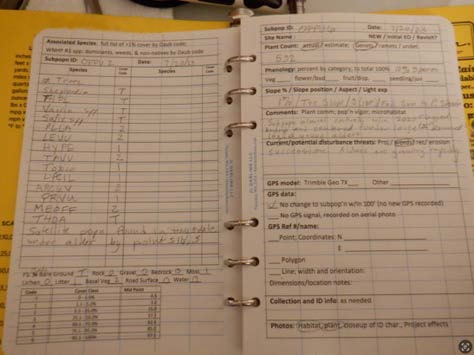
Dr. Tyler served on a consultant team monitoring rare, threatened, and endangered plant populations at the Boundary Hydroelectric Project on the Pend Oreille River in northeastern Washington. The work supported Federal Energy Regulatory Commission (FERC) license requirements and focused on tracking population size, distribution, and potential threats over time. Dr. Tyler conducted population censuses and habitat surveys, documented noxious weeds, and contributed to the project’s summary reporting.
info@ecolution.us.com
(360) 523-2987